

What is Digital Marketing and How is it Done?
Digital marketing is the marketing process where brands use internet-based digital channels, mobile devices, and other digital technologies to deliver their products or services to their target audience, increase brand awareness, and drive sales. Being present at the digital touchpoints where users spend most of their day, achieving measurable results, and using the marketing budget more efficiently are among the strongest aspects of digital marketing. By reading this article, you will gain the advantage of learning clearly and comprehensively what digital marketing is, why it has become so important, and the opportunities it offers to grow your brand in the digital world.
What Are the Types of Digital Marketing?
Digital marketing diversifies according to different user habits and platforms. Each ad type provides maximum benefit when used in line with specific target audience samples and marketing goals.
Video Ads
These are advertisements published on platforms like YouTube, TikTok, and Instagram. They quickly grab users’ attention by leveraging the power of visual and auditory elements. For example, a short video ad showing how a product is used can generate a much higher conversion rate than a static image.
Banner Ads
These are visual ads placed at the top, sides, or bottom of websites. They are generally used to increase brand awareness and aim to draw the user to the website with engaging designs. With the right design and message structuring, banner ads perform highly, especially in remarketing campaigns. They remind the user of a product or service they have previously visited.
Mobile Ads
Mobile ads are advertisements targeting smartphone and tablet users. With the increase in mobile device usage, it has become an indispensable channel in digital advertising. Thanks to location-based targeting and in-app ads, campaigns that align with the user experience can be created. This significantly increases conversion rates. For instance, a discount notification sent to your phone while passing by a cafe is an effective example of mobile marketing.
Social Media Ads
Social media consulting allows you to reach the target audience based on their interests, demographics, and behaviors. Social media ads enable a two-way interaction between the brand and the user. Campaigns supported by social media consulting produce strong results in terms of both sales and brand perception. The benefits of social media stand out with its measurable and sustainable nature.
Influencer Marketing
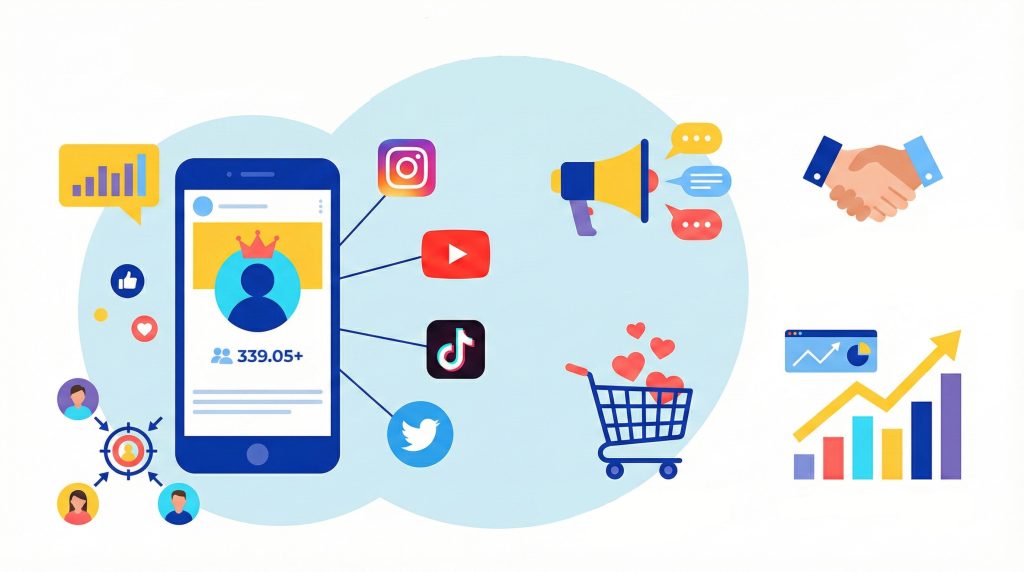
Influencer marketing is a type of digital advertising that centers on the element of trust. The brand message is conveyed through content creators who have an impact on a specific audience. Selecting the right influencer depends on the success of the target audience research process. Compatible collaborations bring organic visibility to the brand.
Pay-Per-Click (PPC)
PPC ads are a model where a fee is paid every time a user clicks on the ad. Google Ads is the most well-known example of this system. Having a controllable budget and getting quick results elevate PPC ads to a critical position in digital advertising.
Search Ads
Search ads allow advertisements to be displayed based on the queries users make on search engines. Users with the highest purchase intent in digital advertising are found in this channel. With the right keyword strategy, Search ad campaigns provide high conversions in a short time.
Pop-up Ads
Pop-up ads are advertisements that suddenly appear on the screen to direct the user to a specific action. If not structured correctly, they can create a negative experience. However, when used with the right timing and a message tailored to the target audience, effective results can be achieved.
Email Marketing
Email marketing enables direct communication with the user within the scope of permission-based (opt-in) marketing. High engagement is achieved through personalized content. This method plays an important role in the process of building customer loyalty.
Native Ads
Native ads are designed to match the content of the platform on which they are published. The rate at which they are perceived as ads by the user is low. This offers a more natural experience and increases engagement.
Remarketing
This is an advertising model targeting people who have previously visited your website but did not make a purchase. For example, seeing an ad for a pair of shoes on other sites you browse after looking at them on a shoe website is a remarketing strategy.
What Advantages Do Digital Marketing Channels Offer to Brands?
Digital advertising channels offer brands speed, flexibility, and measurability. Compared to traditional advertising media, it is possible to achieve high performance with much lower budgets. Furthermore, digital advertising allows for personalized communication through target audience samples. This directly and positively affects the user experience.
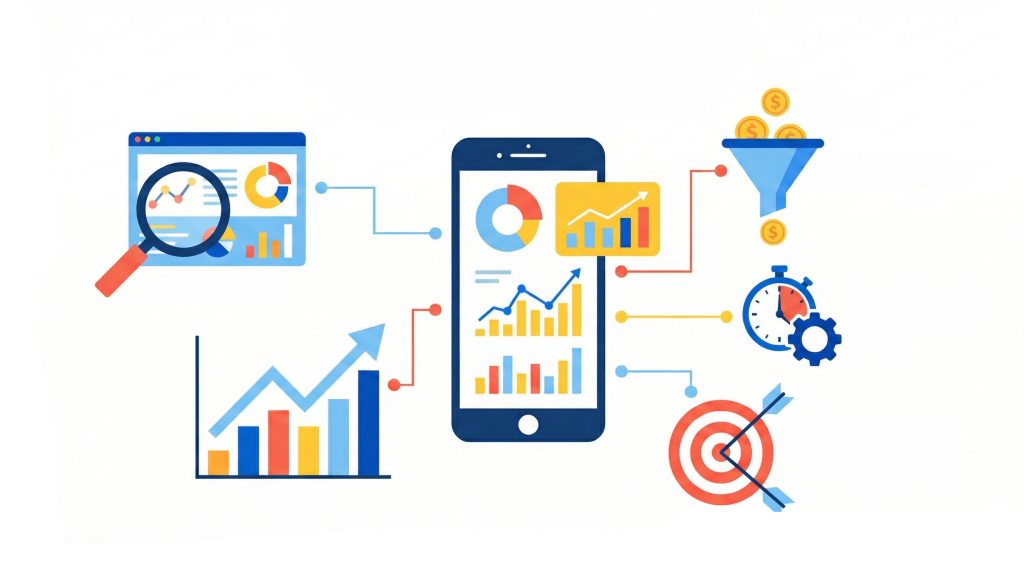
1. The Advantage of Reaching the Right Target Audience at the Right Time
Digital marketing allows you to show your ads only to people who are interested in your product. For example, you can show ads strictly to people who “live in Istanbul, are between the ages of 25-35, and are interested in technology.”
2. Measurable Results
In digital advertising, every click, impression, and conversion can be measured. ROI (Return on Investment) calculations are made with clear data. 13 Brave:
- Gathers all campaign and channel data in a single interactive dashboard,
- Connects sales and traffic graphs to templates and keeps them updated,
- Offers monthly and annual comparisons, product-based analyses, and channel performances. This allows strategies to be continuously improved.
This allows strategies to be continuously improved.
3. Flexible Budget and Real-Time Optimization Capabilities
You can pause a campaign, increase its budget, or change its visual at any time. While you cannot change a poster that has gone to print in traditional media, you can make updates in seconds in digital.
4. Data-Driven Strategy
By analyzing consumer behaviors, you can understand what times they shop or what types of content they like, and you can shape your strategy based on this data.
What Are the Differences Between Digital Marketing and Traditional Marketing?
While traditional marketing uses one-way communication channels such as television, radio, newspapers, and billboards, digital marketing offers a two-way and interactive structure. In traditional methods, costs are high and target audience selection is limited; in digital marketing, specific audiences can be reached with much lower budgets. The biggest difference is measurability; you cannot know exactly how many people saw a billboard ad, but you can instantly see how many people a digital ad reached and how many clicked on it.
Why is Digital Marketing Critical to Staying Ahead of the Competition?
Today, almost all of your competitors have a presence in the digital world. If you are not using digital channels, it means your potential customers are turning to your competitors. Digital marketing is not just an option; it is a necessity for the sustainability of your brand. To expand into global markets, strengthen brand authority, and build an instant connection with the customer, digital strategies are your most powerful tool. If you are looking for measurable, data-driven, and effective digital advertising solutions for your brand, contact 13 Brave to make a difference in the digital world.


